With 26 languages, up to 20× more traffic: Our successful year with TutKit.com

The year 2024 was a year of change, growth and innovation for our in-house project TutKit.com. In this annual review, I would like to share the highlights and challenges that our small but powerful team of 13 people has mastered.
Multilingualism as a mammoth project
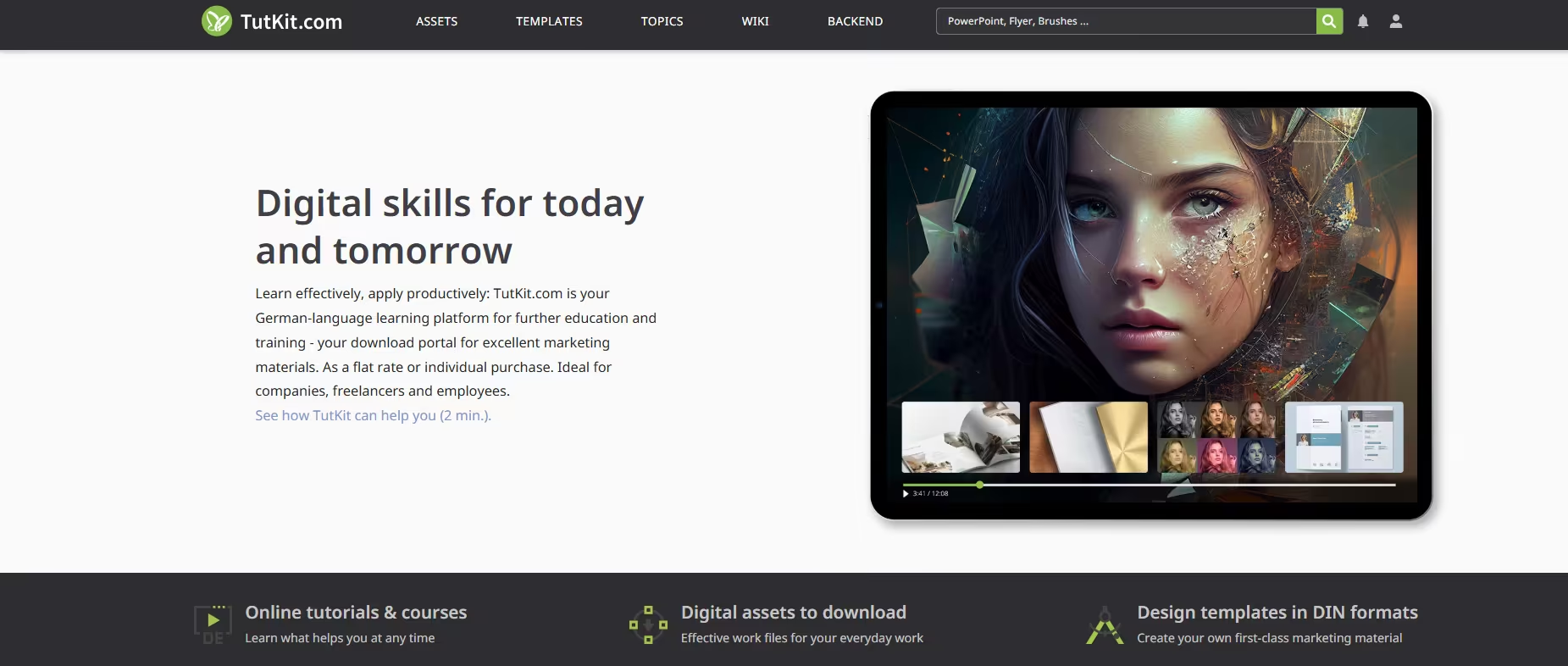
The start of the year was shaped by our biggest technical undertaking so far: the introduction of multilingualism. On 7 June 2023, in an internal memo, I defined multilingualism as the most important goal since the 2021 relaunch of TutKit.com, and possibly even the most important project in our company’s history. After months of preparation, we moved the changes from the development environment to the live environment on 31 January 2024. The goal was to create a seamless language experience that would give native speakers the impression that the portal is genuinely run by people in their own language. Our solution was therefore meant to be perfect. After seven months of work, we were eager to finally launch multilingualism at the end of January 2024, with the goal of achieving 26 languages, 20x traffic.
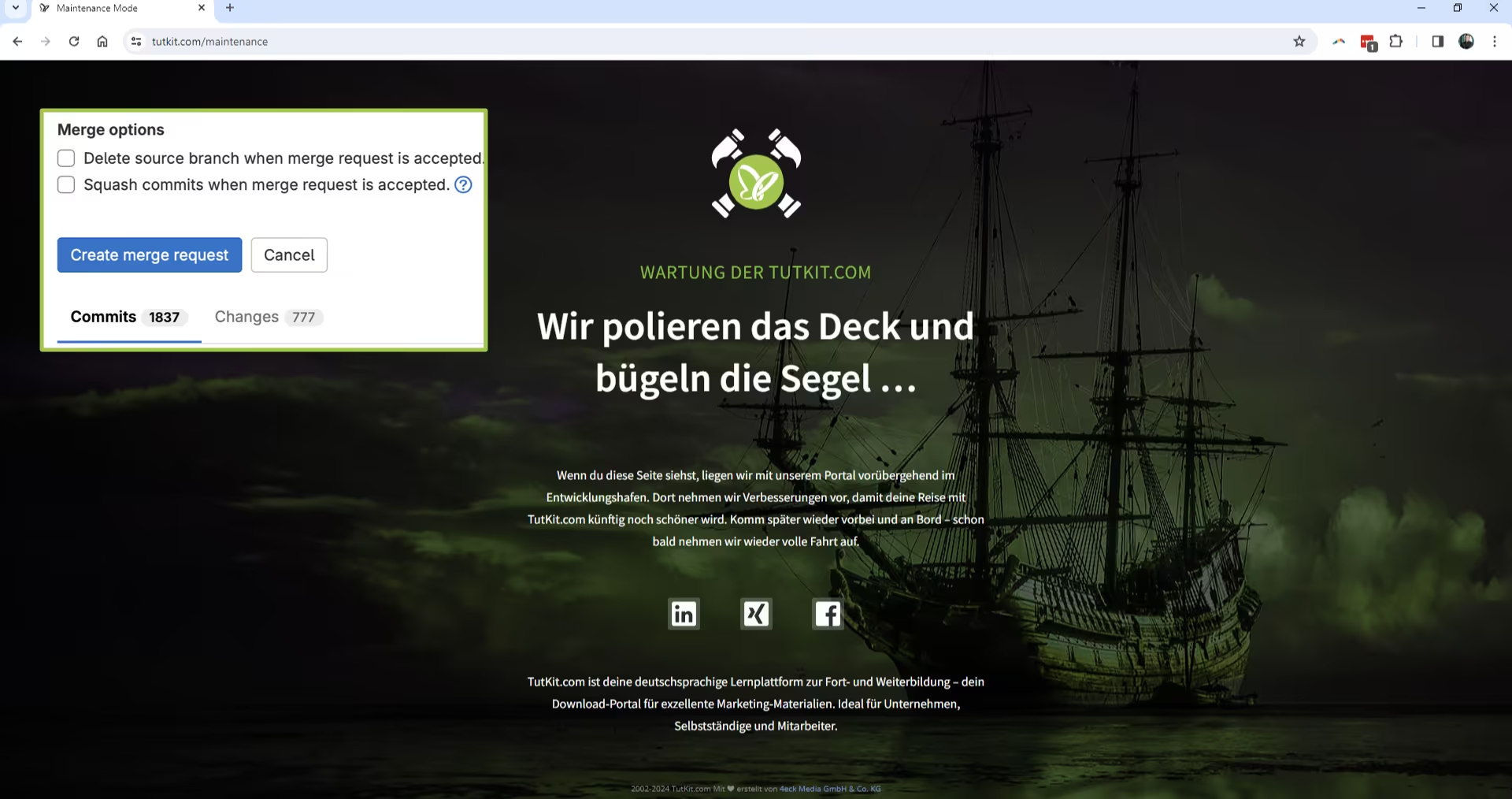
If you ask ChatGPT how many commits are typically included in a merge in Git, you will get the answer that it varies. Small projects come in at 1–10 commits, and large open-source projects often reach dozens to hundreds, as they bring together many contributions.
Our merge comprised 1,837 commits. We switched on our maintenance page and prepared ourselves to have to fix problems for hours. But the merge ran almost without conflicts and was completed within ten minutes. Impressive.
The challenges, however, were not long in coming. Translations via the DeepL and OpenAI APIs brought their own issues: from unsuitable text lengths because there was not enough space in the UI, to incorrect quotation marks, through to broken links or strong texts that caused strange spaces. With systematic approaches such as the introduction of short links on the backend level and automated quality checks, we were able to overcome these hurdles successfully. That sounds easier than it was. Anyone who seriously tackles multilingualism will run into numerous issues. I already gave a small insight into this in my NOERD talk, and in 2025 I will write a more in-depth article about how complex and challenging multilingualism can be and about the 10 to 20 problems that everyone who is serious about it has to solve.
Our Jens, the smartest mind and project manager on our team, said at the beginning of the year that this topic would accompany us for a whole year. He was right. Only last week did further features for resolving issues go live. In desktop publishing you would call this final artwork; we implemented that on the code level. We implement exactly these kinds of functions for our translations, because AI does not always do what you want it to do.
With the multilingual setup came the performance problems. This is probably a topic that very few people have on their radar. We therefore worked on cleaning up our technical debt and on page speed: CSS and JS refactoring plus optimised database queries brought the speed of our internationally oriented platform back to an excellent level. Today we are proud to run one of the fastest multilingual platforms on the internet.
Content creation: From mockups and DIY to tutorials
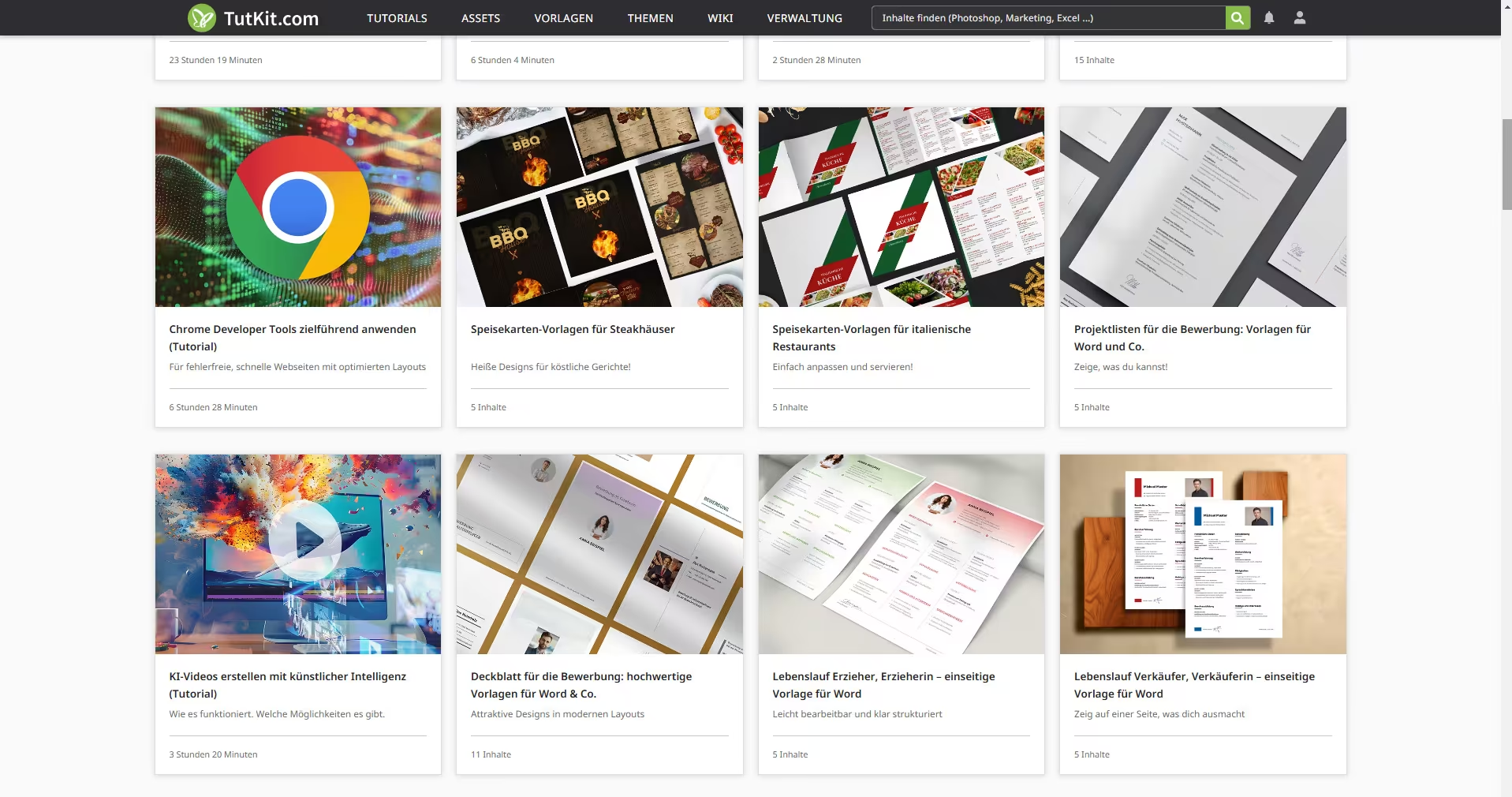
Another highlight of the year was the enormous content production. Even though our focus was fully on our work on multilingualism, we still released 49 new products for our flat-rate customers.
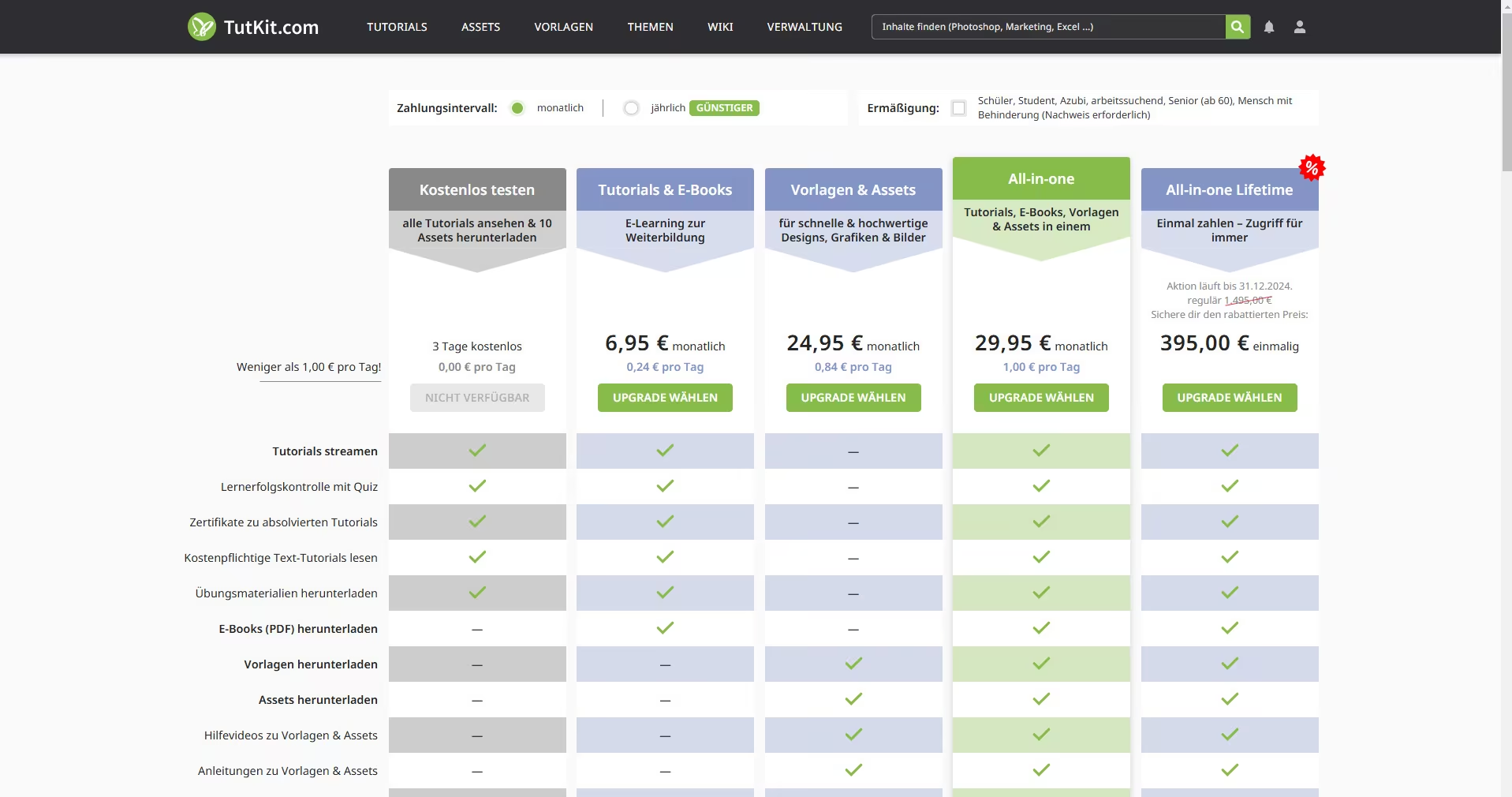
In addition to flat rate and single purchase, a third purchase option was also introduced: the all-in-one lifetime model – pay once, get access forever. A very fair offer for the diversity of content we provide. We even have a discount promotion running at the moment.
Over 1,600 mockups were created to visualise our application templates. A complete content hub on the topic of job applications and CVs went online, complemented by hundreds of profession-specific templates and themed blog posts.
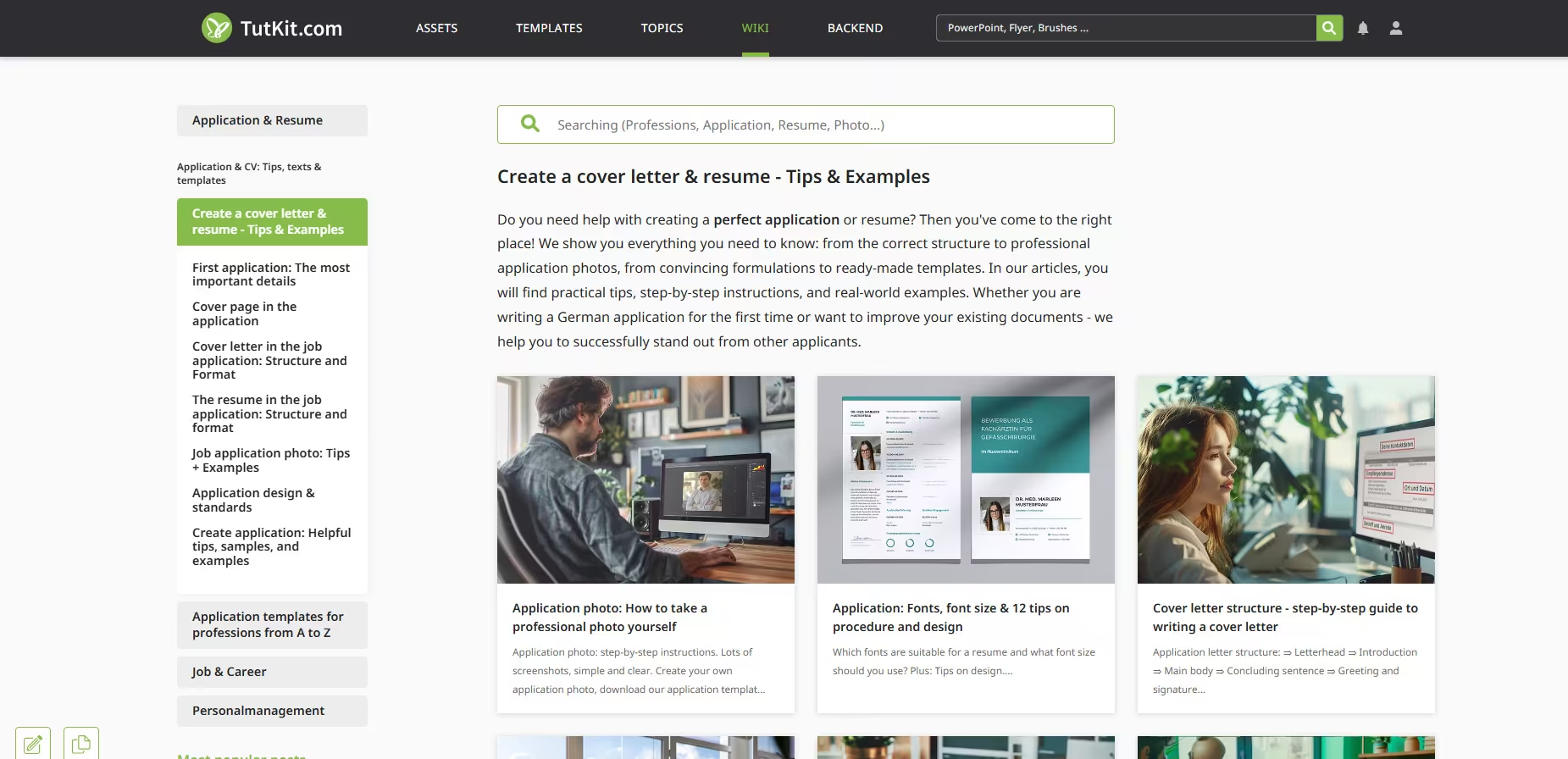
A dedicated content sprint enabled us to re-purpose video tutorials in text form, which were converted into text tutorials using automated processes and published in 26 languages. These measures not only increased our visibility but also laid the foundations for significantly improving the user experience for our international website visitors, as they receive text-based translations with matching screenshots from the video in addition to the German videos. As a result, we were able to triple the clicks in the text tutorials area within three months. Since the text tutorials contain many B2B topics, there is currently a seasonal decline over the Christmas period. From January onwards, we are confident that we will pick up the trend again and set new records in this area every week.
Diversification: Less dependence on Google
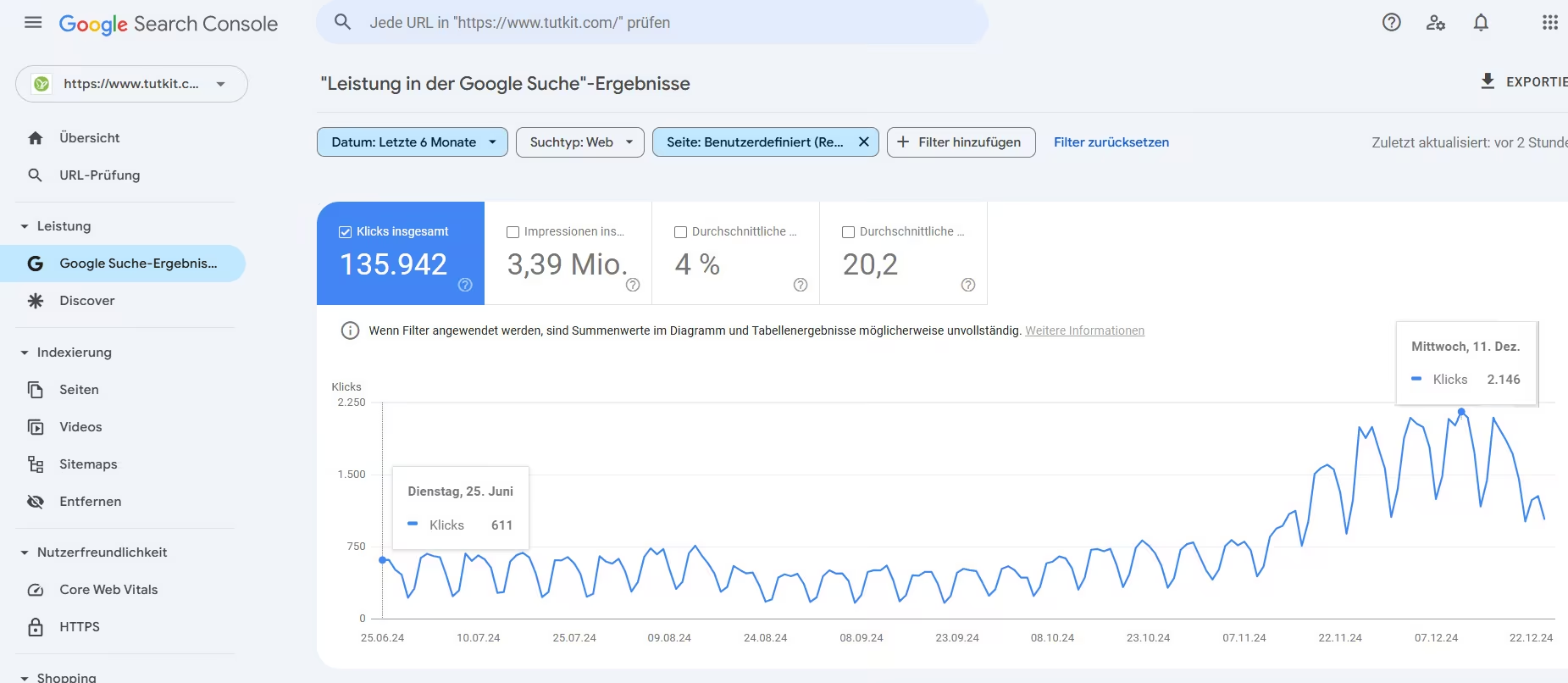
Google’s August core update led to a short-term drop in our clicks, which can be clearly seen in the chart one image above. It made it clear to us at that point that we needed to diversify our traffic sources.
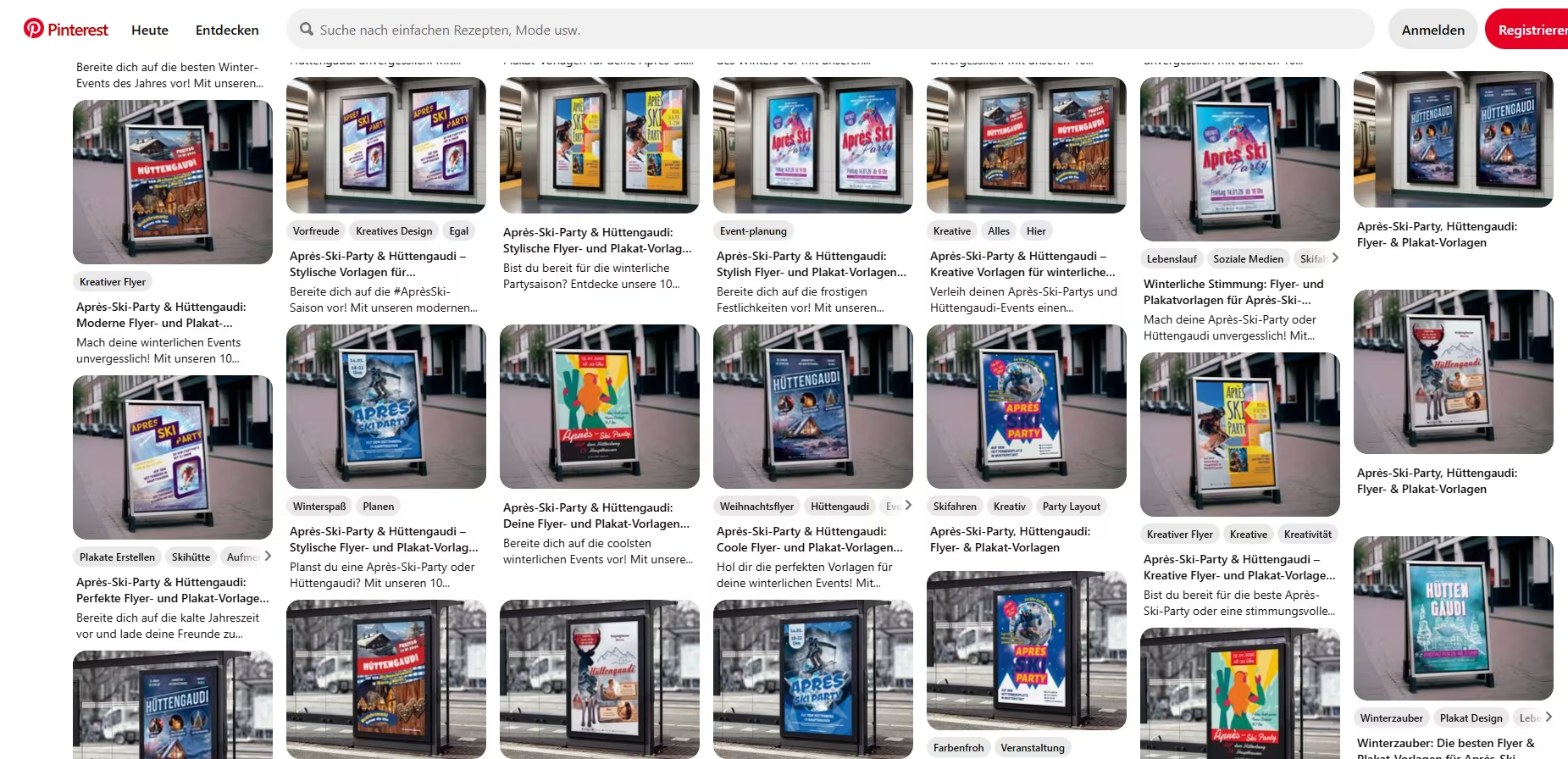
Our designers created more than 3,500 additional mockups for our design templates, which we now use to visualise our pins on Pinterest. We have filled four channels in English, Spanish, German and Romanian, each with 3,500 pins around our design assets. Further language channels will follow in 2025. All pins are in the respective language, with matching emojis and so on. Everything is very neatly handled via the Pinterest API, so that we can automatically create pins on Pinterest directly from the portal.
We also introduced a new content format on TutKit.com that we can repurpose across different platforms: DIY tutorials. Carefully crafted videos around
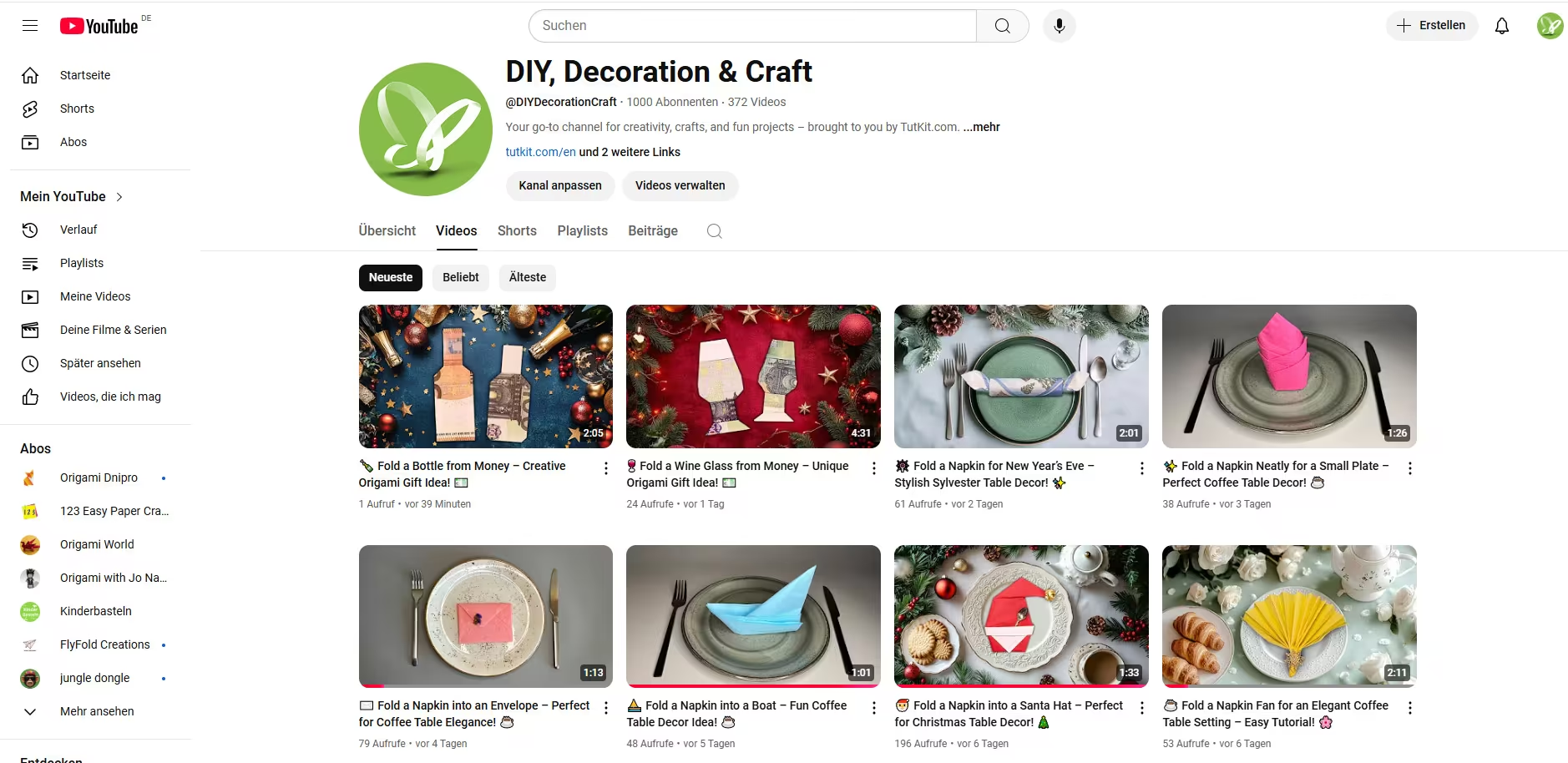
Here you can see a video from the channel:
An exceptional team with big goals
The past year was marked by technical innovations, tireless content production and a clear focus on internationalisation. Today we look at more than 150,000 URLs in a total of 26 languages. We have been extremely hard-working. At the beginning of the year, we existed only in German with 1,800 subpages. Now each language version contains more than 5,000 subpages with useful content for our website visitors.
If I take the last three months and compare them with the previous year, I see a twentyfold increase in our clicks.
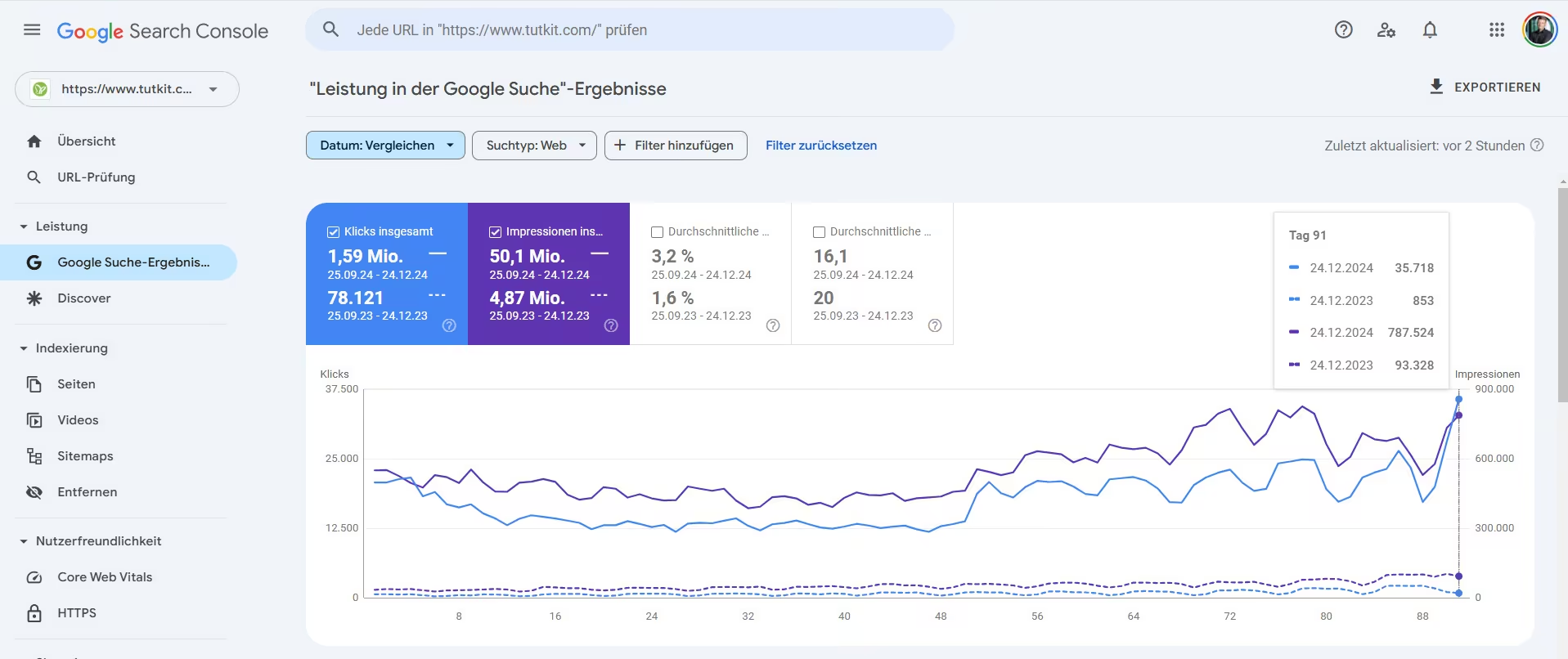
Given the multilingual setup, you might think this increase is normal. The success of our work becomes even clearer when I limit the measurements purely to the German URLs.
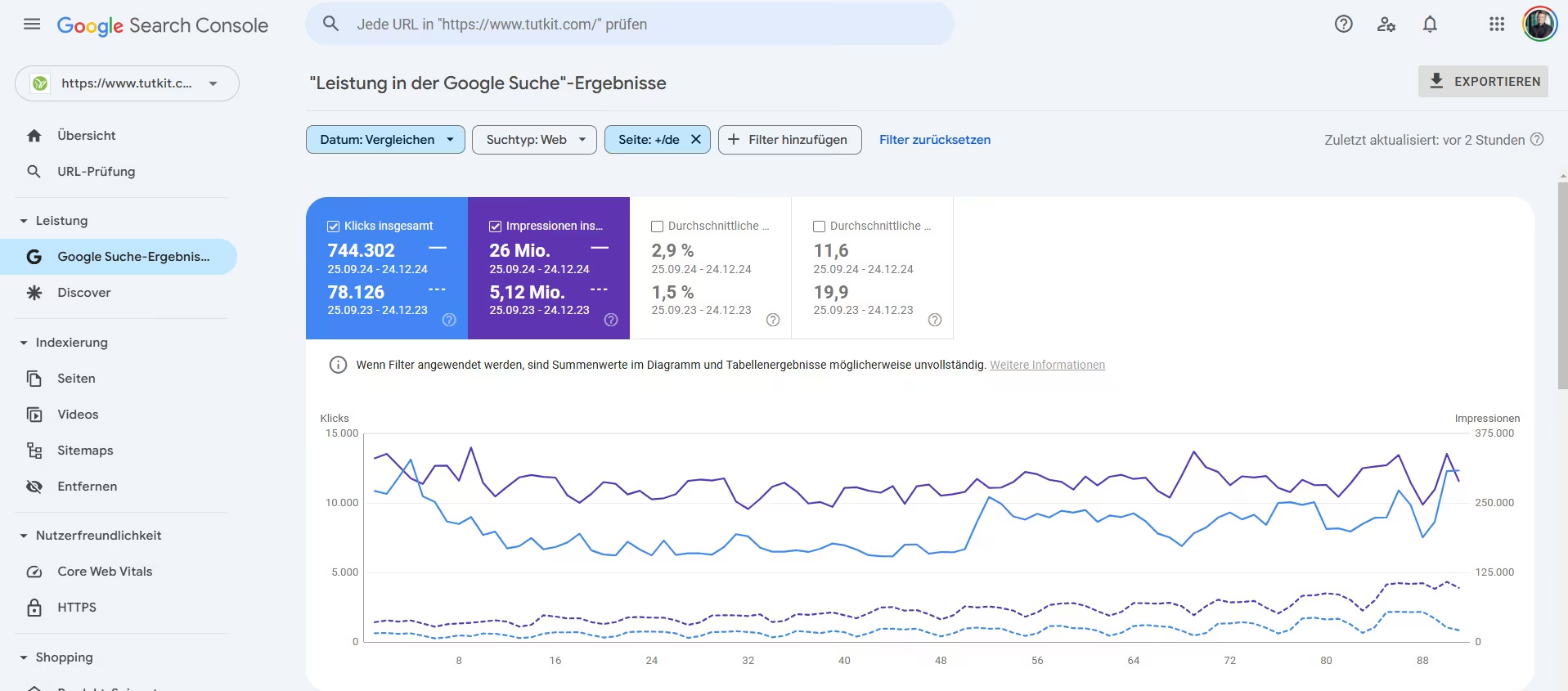
For our German-language pages, we were able to achieve almost a tenfold increase in clicks, a fivefold increase in impressions and a clear improvement in both average click-through rate and position. A fantastic success for us.
Behind these successes stands a team that works with passion, discipline and creativity. Every contribution counts, and together we have shown that even a small team like ours can achieve extraordinary things. This is my team – the best I have ever had the pleasure of working with. I am proud of every single one of them.
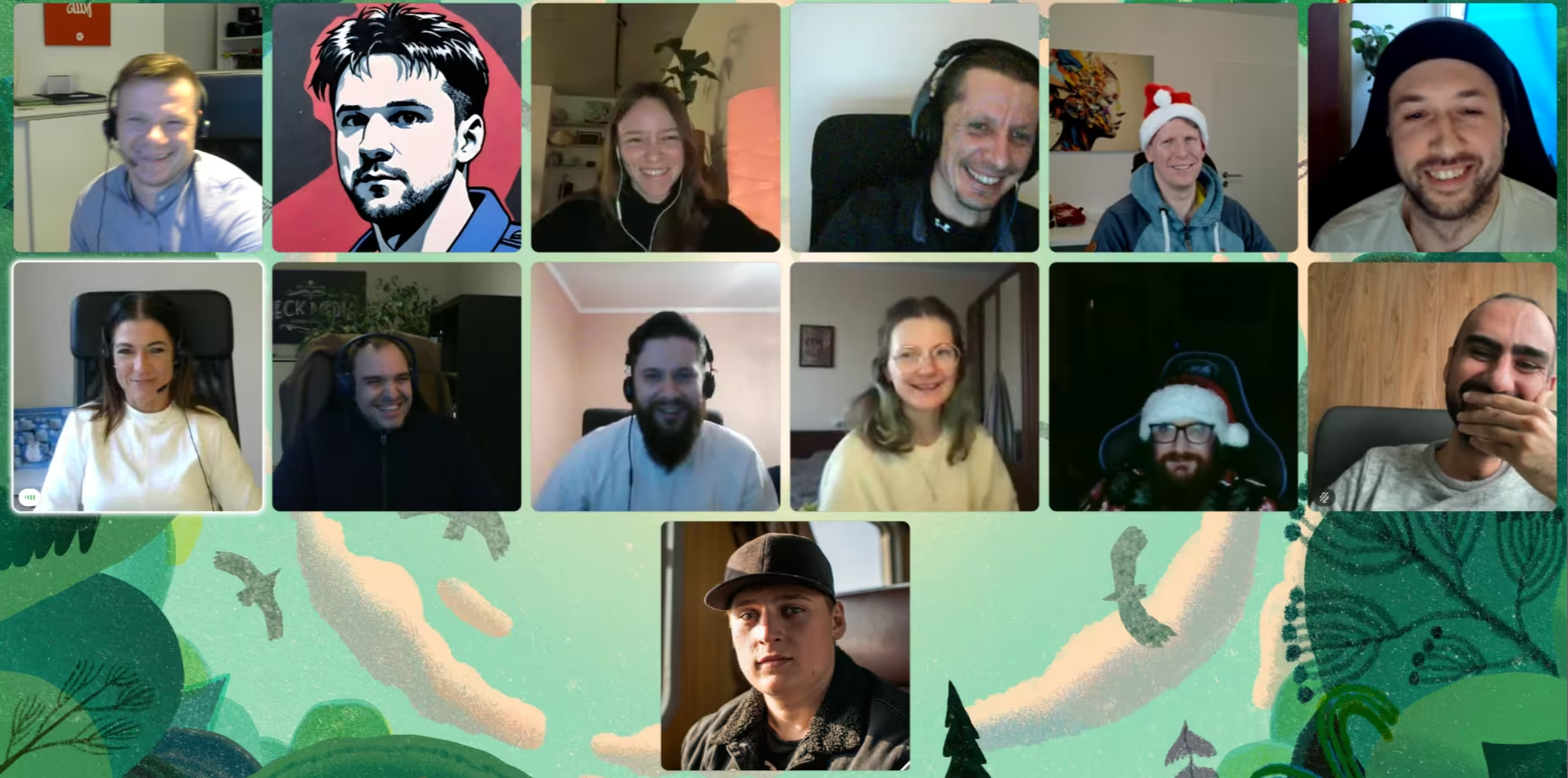
The screenshot shows our Christmas call. To be honest, it was only the second call with everyone together at the end of the working year. One thing we abolished were regular all-hands meetings. Daily meetings still take place, but only at task level with the people involved in each case. In this sense, abolishing mandatory meetings was one of the greatest productivity hacks we introduced. Speaking of productivity, here is one last statistic to round things off: in JIRA, our project management tool, an average of 14 tickets per working day were created for TutKit.com in 2024 that were intended solely for our dev team. There are still a few hundred open, but this figure shows very clearly how ambitious and focused we have been in further developing our portal this year.
We look back with pride on what we have achieved and are excited about the big goals that await us in 2025. Everything is possible thanks to this special team, which is exceptionally creative, smart and disciplined.